Ways a Bicycle Accident Lawyer Builds a Strong Case
A bicycle crash case rarely turns on one dramatic fact. More often, it is built piece by piece, from a bent wheel photographed at the curb, a witness who noticed a driver looking down, a helmet crack that shows force and direction, a traffic light timing report, a surgeon’s note about nerve damage, and a work record that proves weeks of lost income. A strong case is usually less about courtroom theatrics and more about disciplined reconstruction.
That is where a seasoned Bicycle Accident Lawyer earns their keep. The job is not simply to file paperwork or demand payment. It is to identify what happened, preserve what can disappear within days, translate injuries into evidence, and present a coherent story that insurers, defense counsel, and, if necessary, a jury can understand and trust.
Anyone who has spent time around these cases knows how quickly the facts can blur. Drivers often say they “never saw the cyclist.” Police reports can be incomplete. Road conditions change. Bike damage gets repaired or thrown away. Surveillance footage is recorded over. The injured rider, meanwhile, may be in the hospital, heavily medicated, or simply too shaken to gather what matters. Building a strong case means acting early, thinking practically, and anticipating the arguments the other side will try to make.
The case starts before the legal argument does
A good bicycle injury case begins with preservation, not persuasion. Before fault is debated, the lawyer needs to secure the raw material that will support the claim. That usually includes the bicycle itself, the rider’s clothing and helmet, scene photographs, emergency records, witness names, and any available video.
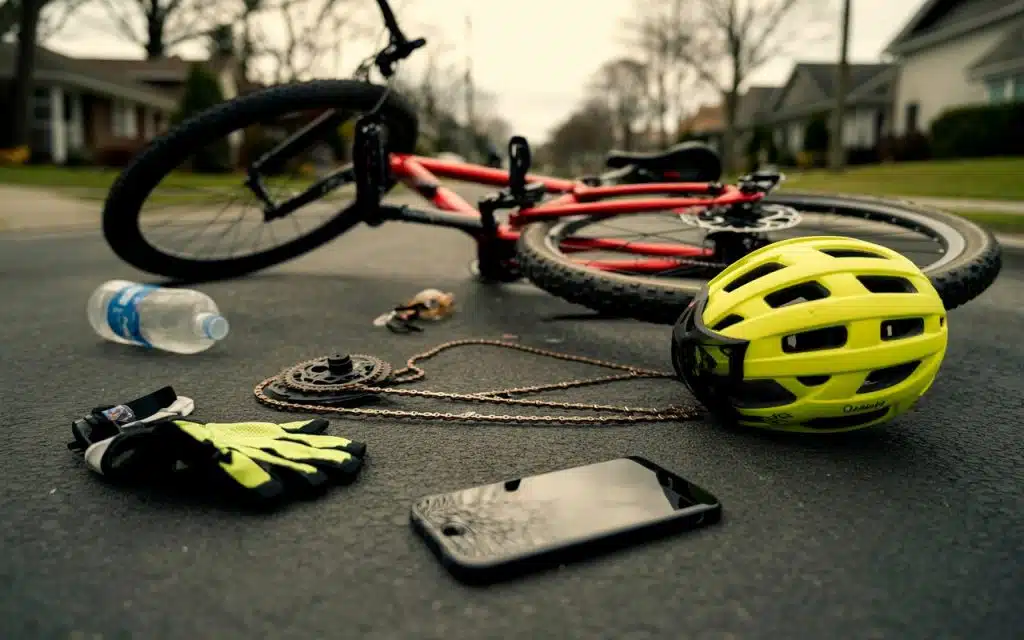
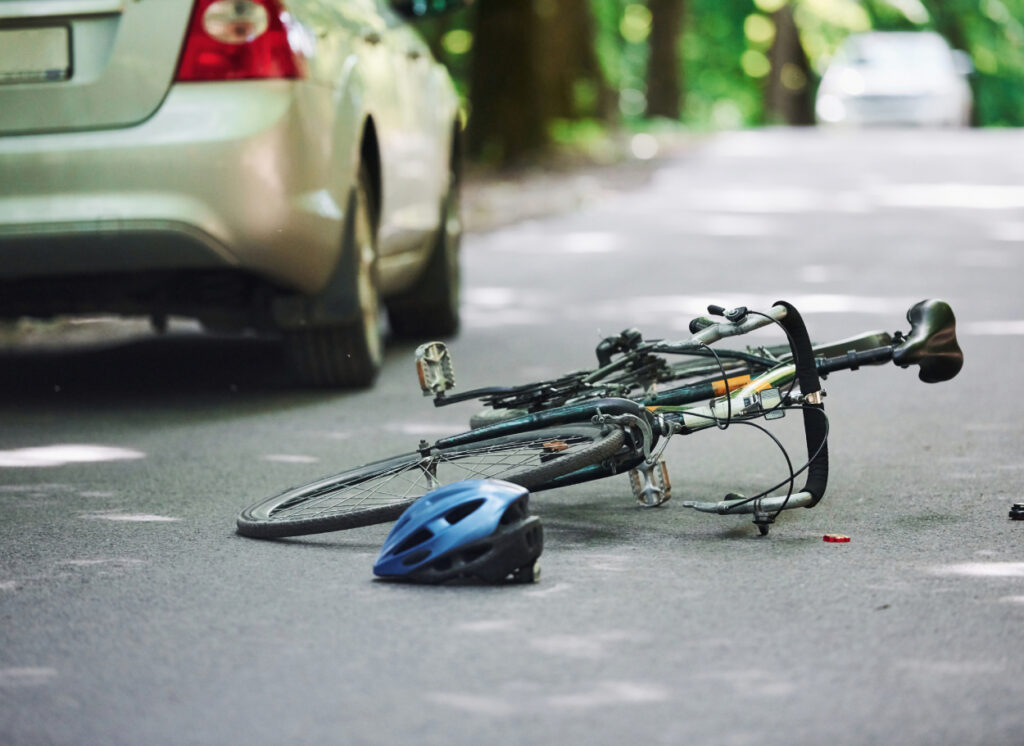
The bicycle is often one of the most useful silent witnesses in the case. Damage patterns can show point of impact, direction of travel, and relative force. A crushed rear wheel may support a rear-end impact theory. Scraping on one pedal and one side of the handlebars may line up with a sideswipe. If a lawyer allows the bike to be repaired too soon, an important piece of physical evidence may be gone for good. In stronger cases, the bicycle is photographed thoroughly and sometimes inspected by an accident reconstruction professional before any repairs are made.
The same goes for clothing and safety gear. Jurors respond to concrete evidence. A torn jacket, road-burned gloves, or a shattered helmet can be more persuasive than a paragraph in a demand letter. They also help rebut the all-too-common claim that the rider was barely hurt. Insurance companies routinely minimize bicycle injuries, especially when there was no ambulance from the scene or no obvious fracture on the first day. Physical evidence helps anchor the reality of the crash.
Video is another race against time. Storefront cameras, traffic cameras, bus footage, and residential doorbell systems can all capture useful angles. Many systems overwrite within days or weeks. A Bicycle Accident Lawyer who knows this area will send preservation letters quickly, often before the insurer has even finished its initial intake.
Liability is built on details, not assumptions
Many injured cyclists assume fault is obvious. Sometimes it is. A driver turns left across a bike lane, opens a car door into a rider’s path, or drifts onto the shoulder and hits a cyclist from behind. Yet even in apparently clear cases, liability still has to be proved in a way that survives scrutiny.
That means examining traffic laws, roadway design, sight lines, signaling, speed, lane positioning, and human behavior. Was the cyclist in a marked bike lane, a shared lane, or a travel lane? Was there debris forcing the rider to move left? Did the driver fail to yield while entering from a driveway? Was the sun angle affecting visibility at that hour? Did a parked SUV create a blind corner? These are not academic questions. They often decide whether a claim settles fairly or gets bogged down in comparative fault arguments.
Defense lawyers and insurance adjusters frequently look for a way to shift some blame onto the rider. Sometimes they argue the cyclist was “hard to see,” even when visibility was adequate. Sometimes they focus on clothing color, lack of lights, lane placement, or split-second reactions after the danger had already developed. A strong case does not ignore those issues. It addresses them directly with facts.
A practical lawyer will often visit the scene personally or have an investigator do so under similar lighting and traffic conditions. Measurements matter. Lane width matters. The distance from a stop sign to the impact point matters. If a driver says the cyclist “came out of nowhere,” the attorney may test whether that claim is even plausible from the driver’s vantage point. In many cases, the defense version sounds less convincing once the physical environment is carefully mapped.
Police reports help, but they are only the start
Clients often place too much weight on the police report, either because it supports them or because it does not. In reality, a report is important but not definitive. Officers usually arrive after the crash. They may not interview every witness. They may summarize statements imperfectly. In some jurisdictions, they may not assign fault at all. In others, they may make a preliminary assessment based on limited information.
An experienced lawyer reads the report closely for what it includes and what it leaves out. Was the diagram accurate? Did the officer note road debris, skid marks, lighting, or weather? Did the driver admit not seeing the cyclist? Was there any citation? Were witness identities captured correctly? If there are errors, they can sometimes be clarified through supplemental records, body camera footage, dispatch logs, or follow-up witness statements.
Some of the strongest cases I have seen involved mediocre police reports. One rider was struck in a right-hook collision when a driver turned across his path near an intersection. The initial report made it sound like both entered the area at the same time. Later, nearby business video showed the cyclist riding predictably in the curb lane for several seconds before the driver accelerated past and cut sharply right. The report did not doom the case because the lawyer treated it as one piece of evidence, not the entire case.
Witnesses can change the direction of a claim
Independent witnesses often carry outsized value. They can confirm speed, lane position, signal use, and whether the cyclist was riding predictably. They can also describe the driver’s behavior in the seconds before impact, which is often where negligence becomes clear.
The problem is that witness memories fade quickly. People move, switch phone numbers, or become harder to reach. A strong lawyer or investigator contacts them early, gets recorded statements where appropriate, and compares their accounts against physical evidence. If a witness says the driver was looking at a phone, that detail should be tested against timing, angle, and any available device records or admissions. Good lawyers do not overstate witness testimony. They preserve it carefully and use it where it genuinely helps.
Not every witness is equally reliable. Some only see the aftermath. Some infer more than they observed. Some are sympathetic but vague. Part of building a strong case is separating useful testimony from noise. A polished but inaccurate witness can do more harm than good if their account conflicts with the objective evidence.
Medical evidence has to tell a human story
The legal value of a bicycle crash claim depends heavily on damages, and damages are proved through medical evidence. But medical records alone do not always tell the full story. Hospitals are focused on diagnosis and immediate treatment, not legal narrative. A chart might note “shoulder pain” without capturing that the patient can no longer lift a child, return to construction work, or ride for transportation.
A strong Bicycle Accident Lawyer works to connect medical records to real-world impact. That starts with complete documentation of treatment, from emergency care and imaging to follow-up visits, physical therapy, pain management, orthopedic evaluation, and, in more severe cases, surgery or neurological care. Gaps in treatment can become a problem because insurers love to argue that delayed care means minor injury. Sometimes the gap is understandable, perhaps the client lacked insurance, could not get specialist scheduling, or tried to tough it out before symptoms worsened. The explanation still needs to be documented and presented clearly.
Cyclists often suffer injuries that look modest on paper but are functionally significant. A wrist fracture may heal, but lingering stiffness can affect typing, lifting, or braking control. A clavicle break can make sleep difficult for months and complicate overhead work. A concussion may not show on standard imaging, yet leave the rider with headaches, fatigue, light sensitivity, and concentration problems that damage job performance. Soft tissue injuries can be real and serious, but they usually require careful, consistent medical documentation to be taken seriously by insurers.
The strongest files often contain more https://zionbmbv559.halcyonledger.com/posts/bicycle-accident-lawyer-help-for-pedal-cyclists-hit-by-speeding-drivers than treatment notes. They include physician opinions on prognosis, therapy records showing progress and limitations, photographs of visible injuries over time, and client accounts that are specific rather than generic. “Pain 7 out of 10” has its place. So does “cannot grip the left brake lever for more than a few seconds without numbness.” Specificity makes the injury tangible.
Lost wages and future losses require real proof
Economic damages can be straightforward, but only if someone does the work. Time missed from work should be supported by employer verification, payroll records, tax returns, or business records for self-employed clients. If the rider used sick leave or vacation time, that loss still has value in many cases, but it needs to be shown carefully.
Future losses are more complex. Not every case warrants a claim for reduced earning capacity, but some clearly do. A warehouse worker with a lasting knee injury, a nurse with shoulder restrictions, or a courier whose income depends on physical mobility may face long-term consequences even after “maximum medical improvement.” A lawyer building a serious damages case may consult vocational or economic professionals when the facts justify it. That is not something done automatically in every matter. It has to fit the injury and the likely recovery.
There is judgment involved here. Overreaching can hurt credibility. If the medical record supports a good recovery within months, claiming permanent inability to work may backfire. Strong lawyers know when to press for future damages and when to keep the focus on medical bills, temporary wage loss, pain, and disruption of daily life.
Comparative fault is often where cases are won or lost
In many jurisdictions, an injured cyclist can still recover damages even if they were partly at fault, but the recovery may be reduced by their share of responsibility. Because of that, defense strategy often centers on comparative fault. It is common to hear arguments that the cyclist was moving too fast, failed to signal, rode too close to traffic, passed on the wrong side, or should have anticipated the driver’s mistake.
Some of these arguments are weak. Some are stronger. A lawyer builds a better case by confronting them honestly. If the rider was descending a hill at a brisk pace, speed estimates need context. Was the rider still within the flow of traffic? Was the driver’s turn sudden enough that speed did not materially change the outcome? If the cyclist moved out of a bike lane, was there debris, a parked car, or a drainage hazard requiring it? Facts like these can turn an apparent vulnerability into a reasonable safety decision.
I have seen relatively small details shift settlement value dramatically. One case involved a rider who took the lane briefly to avoid a line of parked vehicles with frequent dooring risk. The defense argued he had abandoned a bike lane without reason. Scene photos taken the same week showed trash bins, broken pavement, and cars intruding into that lane segment. What first sounded careless instead looked prudent and lawful.
Experts are used selectively, not theatrically
Not every bicycle case needs experts, but the right expert can sharpen a case significantly. Accident reconstructionists can analyze vehicle damage, throw distance, bike deformation, braking evidence, sight lines, and timing. Medical specialists can explain causation, treatment necessity, and long-term effects. In road design cases, engineers may evaluate signage, lane markings, drainage grates, shoulder width, or sight obstruction.
The key is fit. Experts should answer a real dispute, not simply decorate the file. If liability is obvious and the injuries are well documented, adding expensive experts may not increase net recovery enough to justify the cost. On the other hand, if the insurer disputes how the collision occurred or claims the injuries were preexisting, expert input may be what moves the case from skepticism to meaningful negotiation.
A disciplined lawyer also prepares experts carefully. Their opinions must match the records, the scene evidence, and the lived facts of the case. Jurors and adjusters can spot exaggeration quickly. A measured expert who explains the mechanics plainly is usually more persuasive than one who sounds like an advocate.
The client’s own conduct matters more than most people realize
Case strength depends partly on what the injured rider does after the crash. Lawyers cannot change the facts, but they can help clients avoid preventable damage to the claim. Consistent treatment, honest reporting, preserving evidence, and avoiding careless social media posts can all matter.
Here are a few habits that tend to help rather than hurt a bicycle crash claim:
- Seek medical attention when symptoms appear, even if they seem mild at first.
- Keep the bicycle, helmet, clothing, and any damaged gear unchanged until they are documented.
- Follow treatment recommendations unless there is a valid reason not to, and document that reason.
- Save receipts, mileage, work records, and communications related to the crash.
- Avoid posting photos or comments that can be taken out of context by the defense.
That list is not about gamesmanship. It is about preserving accuracy. If a client says they can barely walk but then posts a smiling photo from a weekend hike, the defense will use it, even if the image fails to show the pain afterward or the fact that the hike lasted ten minutes. Cases are built in the real world, where snippets get weaponized.
Insurance strategy is part of case strategy
A strong liability case can still underperform if the insurance picture is weak or misunderstood. Bicycle accident claims may involve the at-fault driver’s bodily injury coverage, umbrella coverage, the cyclist’s own uninsured or underinsured motorist coverage, medical payments coverage, or even claims tied to a commercial vehicle policy if the driver was working. In some cases, there may be a road defect claim against a public entity, though those are often subject to short notice deadlines and unique immunity rules.
A good lawyer investigates coverage early. It shapes settlement strategy, litigation posture, and expectations. There is little value in obtaining a verdict far beyond collectible coverage if no realistic path exists to recover it, unless there are bad-faith issues or additional defendants with assets or coverage. Conversely, a low initial policy disclosure should not end the inquiry if there may be an employer, vehicle owner, rideshare platform, contractor relationship, or umbrella policy in play.
Negotiation also matters. Strong demand packages do not rely on inflated adjectives. They present a disciplined liability analysis, coherent medical chronology, clear damages support, and reasonable framing of future risks. Adjusters see bluster all day. They pay more attention when the file looks ready for trial and the numbers are tied to evidence.
Trial readiness changes settlement value
Many bicycle cases settle, but they often settle better when the defense believes the lawyer is willing and able to try the case. Trial readiness is not chest-thumping. It is preparation. Has discovery been planned carefully? Are witnesses organized? Are exhibits usable? Has the lawyer anticipated the defense biomechanical argument, the comparative fault attack, and the inevitable suggestion that the rider recovered quickly enough?
Cases lose value when the plaintiff’s side appears disorganized or reluctant. Insurers track law firms, not just claims. They know which lawyers prepare and which lawyers posture. A Bicycle Accident Lawyer with a reputation for thoroughness can often obtain better outcomes earlier, precisely because the other side does not want to test that preparation before a jury.
This is especially true in bicycle cases because they carry cultural baggage. Some jurors are avid cyclists and understand roadway dynamics. Others are not. Some drivers resent cyclists, fairly or unfairly, and assume they bend traffic rules. Trial preparation in these cases often includes careful attention to framing. The rider is not presented as a hobbyist taking recreational risks unless that is genuinely the context. More often, the focus is on predictable road use, vulnerability, and the duties every driver owes to someone with far less protection.
The strongest cases feel credible at every level
Credibility is the thread that ties the whole file together. It is built when the physical evidence matches the witness accounts, when the medical records align with the reported symptoms, when the wage loss is supported by actual numbers, and when the lawyer makes arguments that are firm without being overstated.
That credibility can survive imperfections. A rider may have a preexisting back problem and still suffer a legitimate aggravation. A witness may be uncertain about speed but clear about lane position. A client may have delayed treatment because they thought the pain would pass. Strong lawyers do not hide these facts. They explain them in a way that makes sense.
There is also a practical element of timing. Some cases should settle after treatment stabilizes and the future picture is clearer. Others benefit from early litigation because the insurer is entrenched or key evidence needs formal discovery. Judgment matters. Rushing a case before the prognosis is known can leave money on the table. Waiting too long can create stale proof or deadline problems.
When people hear “strong case,” they often think of dramatic evidence or a large damages number. In practice, strong usually means something more grounded. It means the facts have been preserved, the weak spots have been addressed, the losses have been documented, the law has been applied carefully, and the story holds together under pressure.
That is how a bicycle accident claim becomes persuasive. Not through volume, and not through slogans, but through method. A well-prepared Bicycle Accident Lawyer builds the case the way a good mechanic rebuilds a damaged bike after a crash, by checking every component, replacing assumptions with proof, and making sure the finished result can withstand real force.
CGH Injury Lawyers
2701 Lawrence St Suite 201
Denver, CO 80205, United States
Phone: +1 720-669-8062
FAQ About Bicycle Accident Lawyer
Who is at fault if a car hits a bicycle?
Fault depends on the evidence and the traffic rules that applied to the collision. A driver, cyclist, or another party may share responsibility. Police reports, witness accounts, video, and the physical evidence can help establish what happened. A collision with a car does not automatically determine legal fault.
Can you sue someone for hitting you on a bike?
You may have a claim when another person's negligent conduct causes your injuries and losses. The available evidence, applicable deadlines, insurance coverage, and any shared fault affect your options. A lawyer can review the circumstances and explain whether an insurance claim or lawsuit is appropriate; compensation is not guaranteed.
What percentage does an injury lawyer usually take?
There is no single percentage that applies to every injury case. Many lawyers use a contingency fee based on a share of the recovery, with the terms stated in a written agreement. Ask how the percentage is calculated, whether it changes during litigation, and how case expenses are handled before signing.